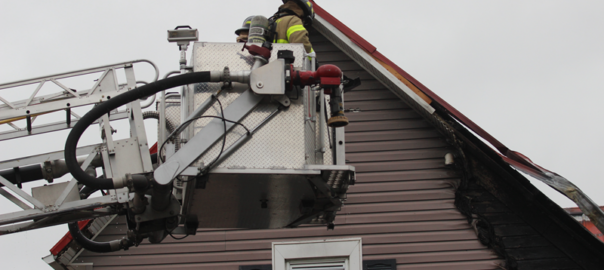
(From the Ohio State Fire Marshal)
As Ohio braces for another round of extreme cold later this week, the Ohio Department of Commerce Division of State Fire Marshal is urging Ohioans to take precautions when heating their homes, especially when using alternative heat sources like space heaters, fireplaces, and wood stoves.
Last winter in Ohio, there were 108 fires that were attributed to space heaters. Nationwide, the National Fire Protection Association (NFPA) reports heating equipment as the second-leading cause of home fires as well as the second-leading cause of home fire deaths during the winter months, with cooking and smoking materials being the top causes respectively.
According to the NFPA, nearly half of all U.S. home heating equipment fires (46%) occur between December and February, which is why Ohio State Fire Marshal Kevin Reardon says now is the time for Ohioans to rethink how they’re heating their homes to ensure they’re not putting their loved ones at risk.
“Every winter, we see a spike in home fires caused by unsafe heating practices,” said Marshal Reardon. “Simply put, when the temperature drops, the risk of fires goes up. The reality is the majority of these fires are preventable, which makes it all the more important for Ohioans take the time to ensure they are following basic safety measures.”
To help buck these local and national trends, the Division encourages Ohioans to follow the below safety tips during the winter months:
Space Heaters
- Keep all space heaters, regardless of type, at least three feet away from anything that can burn, such as curtains, bedding, furniture or combustible items.
- Never leave a space heater unattended or running while you sleep.
- Plug space heaters directly into a wall outlet; never use extension cords or power strips or plug two space heaters into the same outlet.
- Choose space heater models with automatic shut-off features in case they tip over.
Fireplaces and Wood Stoves
- Have chimneys and flues professionally inspected and cleaned each year.
- Use a fireplace screen to keep sparks and embers from “jumping” into the home.
- Keep combustible items at least three feet from the fireplace.
- Burn only dry, seasoned wood. Do not burn trash, cardboard or treated lumber.
- Allow ashes to cool completely before disposing of them. When you do dispose of them, only use a metal container that is stored outside.
Smoke and Carbon Monoxide Alarms
- Test smoke and CO alarms monthly and replace batteries at least twice a year.
- Replace any smoke alarms that are more than 10 years old. Dates of manufacture can be found on the back panel of the alarm. If an alarm has a manufacture date of 2015 or older, it should be disposed of and replaced with a new device.
- Smoke alarms should be on every floor of your home, in bedrooms, and in common hallways outside of rooms.
- Install carbon monoxide detectors on every level of your home, especially near sleeping areas.
In December 2024, January 2025 and February 2025, Ohio fire departments responded to 1,786 incidents involving the presence of CO.
“Staying warm shouldn’t come at the cost of safety,” Reardon added. “A few simple steps can protect your home and your loved ones both during this code spell and all winter long.”
In addition to heating safely, Marshal Reardon encourages Ohioans to make sure their families are prepared with a home fire escape plan in case of a fire. These plans should include two ways out of every room and should be practiced regularly with everyone in the household. Designate a meeting place outside and make sure children and guests know how to get out quickly and safely because, in an emergency, every second counts.
For more winter heating safety tips, visit com.ohio.gov/WinterSafety.