(From The Ohio Department of Natural Resources)
The Ohio Department of Natural Resources (ODNR) Division of Wildlife is reminding Ohioans that a live-cut Christmas tree may be repurposed after the holidays as habitat for various species of animals. Before you discard your tree, remember that it can find life after the holidays for Ohio’s birds, fish, and mammals.
A live-cut Christmas tree can be recycled as the centerpiece of a wildlife-friendly brush pile. Place the tree in a desirable location and layer limbs around it in a square arrangement. Cover the top with additional brush to create a unique and valuable shelter for small animals.
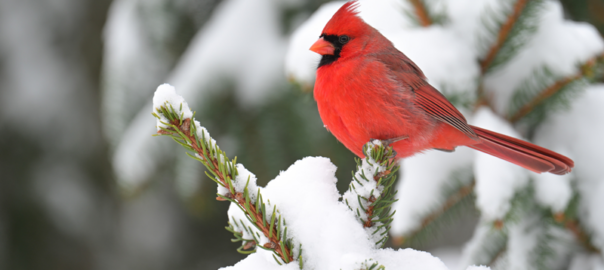
Songbirds including cardinals, chickadees, titmice, nuthatches, and wrens travel in and out of brush piles for food, nesting, and to escape predators. Small mammals such as rabbits and chipmunks also use brush piles for shelter and raising young. Brush piles are valuable shelter for overwintering insects like bees, moths, and butterflies, as well.
Before repurposing or disposing of a live-cut Christmas tree, remember to remove all trimmings including tinsel, garland, lights, and ornaments as these can be harmful to the environment and wildlife. Please obtain proper permission before discarding your tree on public or private property. Discarding trees without permission could result in a litter violation.
Live-cut Christmas trees are also useful as compost, mulch, and more.
Each winter, the Division of Wildlife places recycled live-cut Christmas trees at select wildlife areas and public lakes around Ohio. The trees are bundled together and weighed down so they sink to the bottom of lakes, attracting fish and providing cover. An interactive lake map showing where trees are placed is available at wildohio.gov and on the HuntFish OH mobile app. Anglers can target these spots, which are often productive for both panfish and their larger predators. Sunken trees provide structure for baitfish, which attract sport fish like crappie, bluegill, and largemouth bass. Decomposing trees also feed zooplankton, which provide food for aquatic invertebrates and attract larger fish.
Private pond owners may also want to consider repurposing trees to add habitat to their ponds.